How to Reset Your Writing Unit and Teach Argument Writing Without Starting Over

Mid-Year Writing Slump is Real
By mid-year, even the best-laid writing plans can begin to unravel. Between schedule changes, student absences, classroom behavior shifts, and teacher fatigue, it’s easy for an ELA writing unit to fall by the wayside—especially one as nuanced as argument writing.
The good news? A complete overhaul isn’t necessary.
Instead of restarting, you can reset their argument writing instruction with focused strategies that build momentum without backtracking. With a few key shifts, it’s possible to engage students, reinforce essential skills, and move forward with confidence.
Why Mid-Year Is the Perfect Time for an Argument Writing Reset
Mid-year isn’t a beginning or an end—it's a pivot point. Students are no longer new to classroom routines, but many may be inconsistent in applying writing skills. Argument writing, in particular, requires logical thinking, structured responses, and a level of independence that can be tough to maintain in January and beyond.
Rather than pushing through a stale or incomplete writing sequence, this is the perfect moment to reboot intentionally. A well-structured reset builds on what students already know and brings clarity to where they’re headed next.
Plus, with testing season often looming, now is the time to revisit the foundational skills that will support students in crafting strong, evidence-based writing.
Step 1: Reignite Engagement with Low-Stakes Argument Prompts
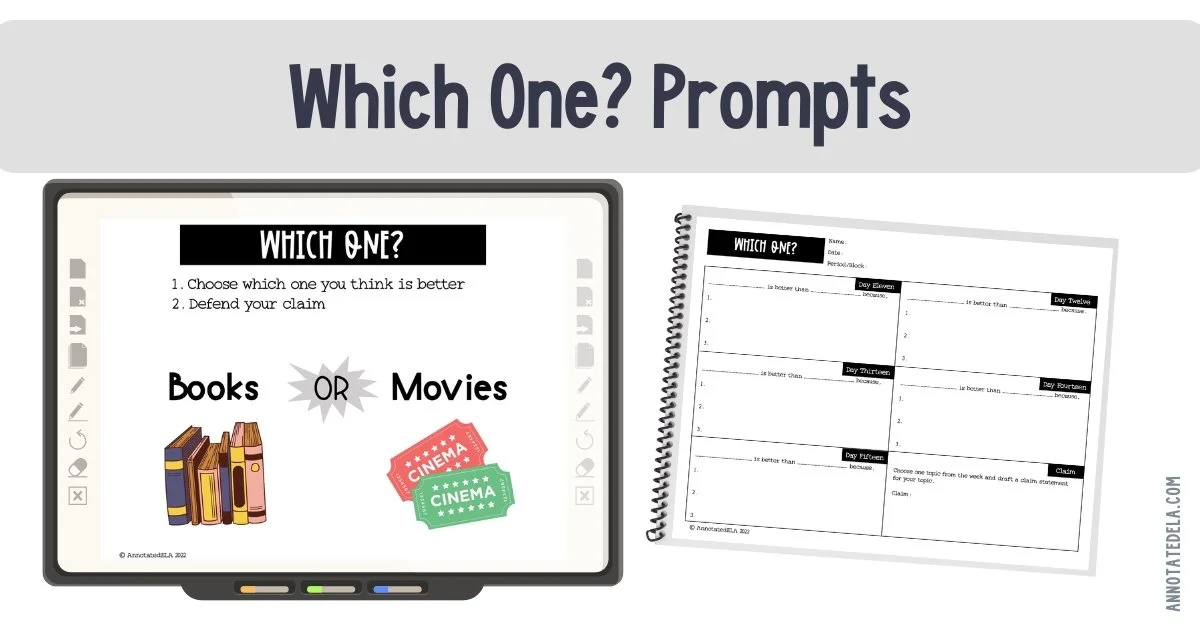
Before launching into formal writing again, students need to feel successful. The quickest way to make that happen? Use short, silly argument prompts that get students thinking critically without the pressure of a polished essay.
Prompts like:
Pizza or tacos?
Unicorns or Dragons?
Books or movies?
These lighthearted debates allow students to practice taking a stance, forming a claim, and backing it up with reasons—key components of argument writing—without even realizing they’re working. In just 5–10 minutes, students are reactivated and ready for more.
This mini reset doubles as a classroom culture boost. Laughter, friendly debates, and surprising opinions create energy that you can carry into deeper writing tasks.
Step 2: Use Mini Lessons to Rebuild Confidence
Rather than reteaching an entire essay writing unit, a mid-year reset is most effective when broken into bite-sized lessons. A strategic sequence of mini lessons helps students focus on one skill at a time while reinforcing the structure of a full argument essay.
A sample mini-lesson sequence might include:
Reviewing claims and how to support them with evidence
Introducing counterclaims and rebuttals
Analyzing mentor texts to see arguments in action
Organizing ideas using guided graphic organizers
Each lesson should be short, scaffolded, and end with low-pressure practice—like drafting a claim in response to a mentor text or analyzing the strength of a rebuttal in a sample paragraph.
Rather than overwhelming students with a full essay all at once, these micro-moves build the skills that make up an argument—setting them up for success when it’s time to draft.
Step 3: Prioritize Feedback Without Burnout
By this point in the year, we are feeling the grading fatigue. Resetting an argument writing unit doesn’t mean collecting and grading everything.
Instead, it’s an opportunity to model feedback that matters:
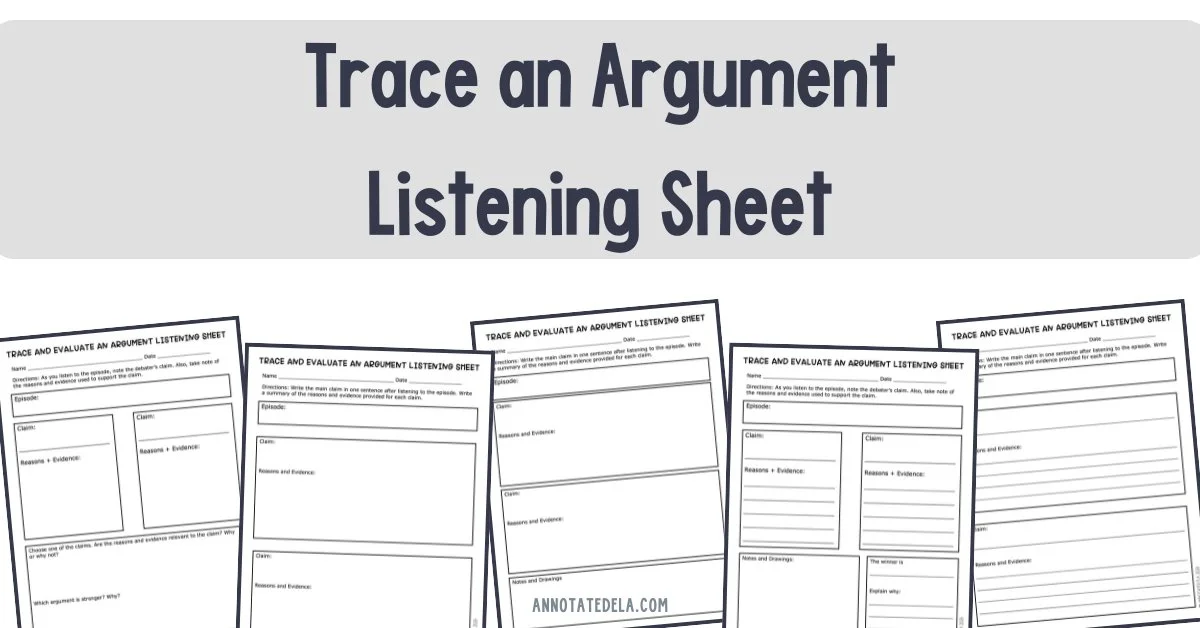
Use rubrics focused on one skill at a time (e.g., just claim clarity or evidence strength)
Incorporate peer review using checklists or sentence starters
Try writing conferences with small groups focused on one common area of need
Peer feedback and conferencing not only reduce grading load but also encourage metacognition. Students begin to see what makes writing effective, and they apply it more confidently to their own work.
A mid-year reset is the ideal moment to introduce—or revisit—these structures, especially since students are often more independent by now and can handle a greater share of responsibility.
Why This Reset Approach Works
This three-part strategy—engagement, mini lessons, focused feedback—isn’t just a quick fix. It supports cognitive load, promotes writing stamina, and helps students reconnect with the purpose of argument writing.
Most importantly, it moves you forward without asking your students to start from square one.
You don’t need to rewrite an entire ELA writing unit to see results. By resetting with intention, you can reinforce key writing skills and help students build confidence heading into spring.
Free Resources for Teachers Ready to Reset
Want to implement this reset with less prep? Two classroom-ready tools can help:
📥 “Which One?” Argument Bell Ringer Set
A free resource with ready-to-use prompts like “Super speed or super strength?” that spark discussion and give students low-stakes argument practice in under 10 minutes.

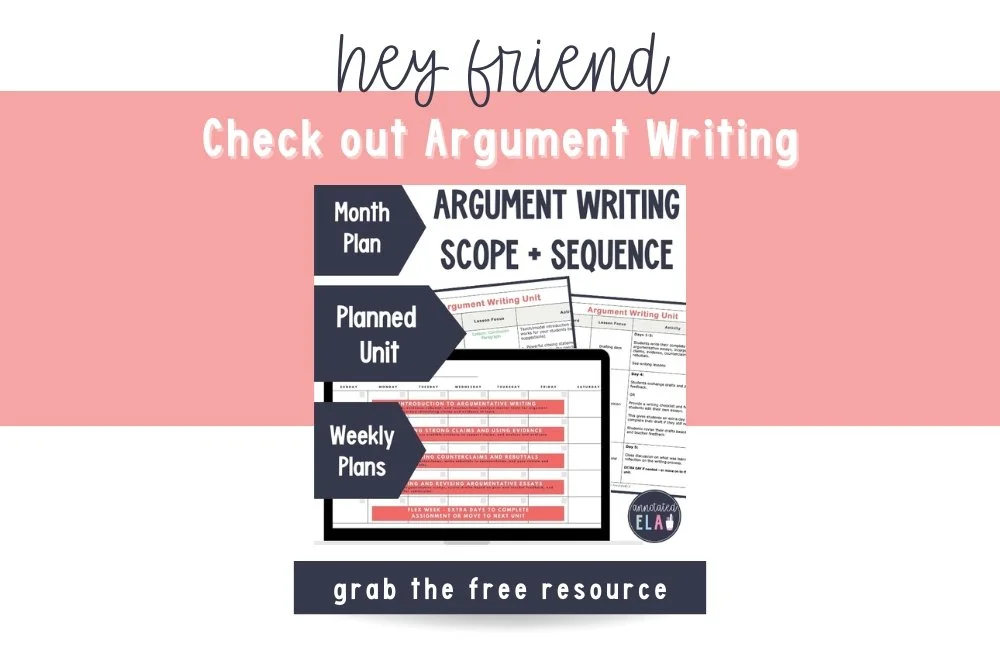
📥 Argument Writing Scope and Sequence
A printable guide for mapping out a 2–4 week argument writing reset, including skill focus, pacing ideas, and planning templates.
Reset, Don’t Restart
The middle of the school year is a time for recalibration, not reinvention. When it comes to teaching argument writing, starting over isn’t necessary.
With a few intentional strategies, you can guide students back into writing with structure, confidence, and engagement.